Removal Service in London

Our removal service in London is set up for households and businesses that need practical help moving furniture, boxes, appliances and other belongings with care. We focus on organised removals work, from straightforward flat moves to fuller property relocations, and we keep the service centred on safe handling, sensible planning and clear communication. If you are comparing options for a move within the city or beyond it, our aim is to give you a straightforward way to request a quotation.
We handle the kind of work people usually expect from a removal team: lifting, loading, transport and unloading, together with the details that help a move run more smoothly. That can include coordination around access, route planning and the protection of items that need extra attention. For readers who want a closer look at the wider service range, the removal services page gives a useful overview of the work we support.
For most customers, the main decision is not simply how to move items, but how to do it in a way that suits the property, the volume of belongings and the timetable. Some moves are best approached as a single straightforward load, while others need more careful sequencing because of stairs, shared entrances or larger pieces of furniture. If you are ready to discuss your move, the next step is to ask for a quotation in plain terms, with enough detail for an accurate response.
House and flat removals
Domestic removals often involve a mix of furniture, personal items and fragile belongings that need to be packed and moved in a sensible order. We support house and flat removals across London, helping customers move between rented homes, family properties, apartments and smaller city homes. The focus is on keeping the process orderly, with attention to loading space, item protection and the practical route from one address to another. For fuller domestic moves, the house removals page is a helpful place to read more.
When the removal is tied to a whole household, the service may also need to cover awkward items such as wardrobes, beds, dining tables, white goods and boxed contents from different rooms. The right approach depends on what is being moved and how much access is available at each end. Customers often find it useful to think about which items need dismantling, which can travel assembled and which may need extra wrapping before transport. For smaller or simpler moves, the home moves page explains a broader domestic option.
Choosing the right type of move
Some customers need a full-house move, while others only need selected belongings taken from one property to another. A smaller move can still benefit from professional handling if there are heavy pieces, awkward stairs or tight parking arrangements. Clear information about what is going, where it is going and any access limits helps the quote reflect the real work involved. If you are comparing household options, it can be useful to check whether you need a full removal, a partial move or a simple man and van arrangement before you book.
Domestic packing support and careful loading

Packing affects both speed and safety. We support customers who want help with packing and unpacking as part of a removal, especially where the move includes fragile crockery, ornaments, books, clothing or mixed-room contents. Good packing reduces breakage risk and makes unloading easier because items can be grouped and labelled more sensibly. If you want to see the sort of support available around packing, the packing and unpacking services page gives a relevant starting point.
Loading is just as important as packing, because even well-packed items can be damaged if they are stacked badly or not secured properly. A careful team will think about weight distribution, item shape and what needs to be placed safely before transit. That matters when combining furniture with boxes, because the space inside the vehicle has to be used efficiently without creating pressure points on delicate items. It also matters for longer journeys within the city, where stop-start traffic can shift badly loaded items.
When people prepare for a removal, they often want practical guidance rather than a long checklist. Two simple steps can help a quotation and the move itself: first, identify the larger items and any belongings that need special care; second, note anything that could affect access, such as narrow staircases, parking restrictions or limited lift use. With those details, it becomes easier to plan the work properly and avoid last-minute surprises. Good preparation does not need to be complicated; it just needs to be clear.
Office and commercial removals
Business moves require a different pace from domestic work, because desks, chairs, storage units, IT equipment and documents may all need to be shifted with minimal disruption. We support office and commercial removals for London organisations that need a practical relocation service rather than a casual load-and-go approach. For a closer look at workplace moves, the office removals page is relevant, especially if your move includes multiple workstations or floor-by-floor planning.
Commercial removals can involve more than transport. There may be a need to move items in a certain sequence, protect sensitive equipment and manage access around colleagues, building rules or timed entry. A sensible removal plan takes account of furniture layout, lift capacity, loading bays and any pieces that need to remain available until the final stage of the move. Where a broader relocation is required, the commercial moves page reflects that wider scope.
For offices, timing and organisation often matter more than the total number of items. Some businesses are relocating one department, while others are moving a whole site in stages. The best removal approach depends on how much needs dismantling, whether equipment is boxed or loose, and how quickly the new space must be made usable. If you need a move organised around your working day, a targeted quotation request is the quickest way to get sensible planning underway.
Furniture, appliances and single-item moves

Not every customer needs a full property removal. Sometimes the job is about moving a sofa, a wardrobe, a bed base, a fridge-freezer or a few bulky items that are too awkward for standard transport. We support furniture pick-up and single-item removals when the work still needs proper handling, lifting and loading. For those kinds of jobs, the furniture pick-up page is a useful fit.
Single-item and small-load work can be more involved than it first appears. A heavy item may need two-person handling, protective wrapping, measured manoeuvring through tight hallways or disassembly before it will fit safely into a vehicle. That is why the choice of service matters: a standard furniture pickup, a man and van move or a fuller removal can all suit different circumstances. The main point is to match the support to the item, the access and the destination rather than forcing the job into the wrong category.
Typical questions that help shape this kind of quote include what the item is, whether it needs dismantling, whether stairs are involved and whether parking is close enough for efficient loading. If the item is delicate or unusually heavy, say so early. If you only need one item taken from a flat to a house, that is still worth describing clearly because it changes the time and handling needed. For the right kind of response, keep the description specific and practical.
Man and van removals for smaller loads
Some moves do not need a large removal vehicle or a full household team. For smaller homes, student moves, partial loads and flexible local transport, a man and van style service can be a practical option. We support this kind of removal work across London for customers who need a simpler arrangement for a modest load or a short-notice move. You can see how that service is described on the man and van page.
A smaller removals job may still include several useful steps: loading boxes from one address, collecting furniture from storage, moving items between rooms or delivering selected belongings to a new property. Because the service is more flexible, it can suit situations where the job is not a full household relocation but still needs proper care. The key is to describe the load accurately so that the vehicle size and handling can be matched to the move.
Many customers use this type of service when they want a practical balance between cost, convenience and professional handling. It is often chosen for moves with fewer items, though not necessarily fewer challenges. Narrow streets, walk-up properties and mixed loads can all make a compact move more involved than expected. If this sounds like the right fit, a plain quotation request is usually the best next step. You can simply explain what needs moving and when.
Move planning, pricing factors and access

Pricing for removals usually depends on the amount being moved, the distance travelled, the level of handling required and any access issues at either property. A move with long carries, stairs, waiting time or difficult parking can take more planning than a straightforward ground-floor collection. That is why accurate quotation requests matter: they help turn a broad idea of the job into a realistic proposal rather than a guess. If you are comparing options, the pricing and quotes page is the natural place to start.
Access details can make a genuine difference to how a removal is scheduled. Useful information includes whether there is a lift, how close the vehicle can park, whether large items need to pass through tight turns and whether any buildings have time windows for loading. These are practical matters, not formalities, because they affect the time required and the approach to handling. A quotation is usually most accurate when it reflects the reality of the property rather than an idealised version of it.
One sensible way to prepare is to make a short inventory of the larger pieces and a rough count of the smaller boxes or bags. Add any items that need dismantling or extra care, then note the collection and delivery locations. This does not need to be a long document; even a brief summary is enough to get the conversation started. If you are ready to move forward, ask for a quotation and include the details that matter most to the job.
Insurance, safety and handling standards
Removal work depends on safe lifting, sensible loading and careful movement through homes, offices and shared spaces. Customers often want reassurance that items will be handled in an orderly way, especially when there are heavier possessions or narrow access points. We keep the focus on practical safety and considered handling throughout the move. For further background on how these matters are approached, the insurance and safety page is available as a relevant resource.
Safety in removals covers more than physical lifting. It also includes protecting floors and walls where appropriate, avoiding unstable stacking, securing items during transport and taking care around entrances, stairs and communal areas. A well-run move tries to reduce risk before it happens by planning the loading order and making sure the vehicle is used properly. That matters whether the job involves one bulky item or an entire property of belongings.
The most useful customer contribution here is accurate information. If there are fragile items, unusually heavy furniture, narrow access routes or parts of the move that need extra caution, those details help shape the working method. The aim is not to overcomplicate the job, but to make sure the service is set up sensibly from the start. For a move that feels properly considered, a clear enquiry is the best foundation.
About London
London is a city shaped by layers of history, varied architecture and a geography defined by the River Thames. Its central districts contain Roman remains, medieval street patterns, Georgian squares and extensive Victorian and Edwardian building stock, while many outer districts combine terraces, mansion blocks and modern developments. The city’s growth has long been influenced by transport, trade and governance, with boroughs and neighbourhoods developing distinct identities over time. Westminster, the City, Southwark, Camden, Islington and many other areas each contribute different civic, commercial and residential character to the whole. The Thames remains a major organising feature, crossed by numerous bridges and lined with paths, wharves, piers and redeveloped waterfront sites. Green space is also an important part of the capital’s character, from the Royal Parks to smaller commons and squares, while major museums, theatres, galleries and markets help sustain a dense cultural life. London’s street pattern changes constantly between the formal geometry of planned estates and the irregular routes of older lanes, and that contrast is visible in many neighbourhoods. Historic landmarks such as St Paul’s Cathedral, the Tower of London, the Palace of Westminster and Greenwich all sit within a broader city that continues to evolve through regeneration, conservation and new construction. The result is a place where everyday life, heritage and modern development sit side by side in a way that is immediately recognisable.
What to include when you request a quotation
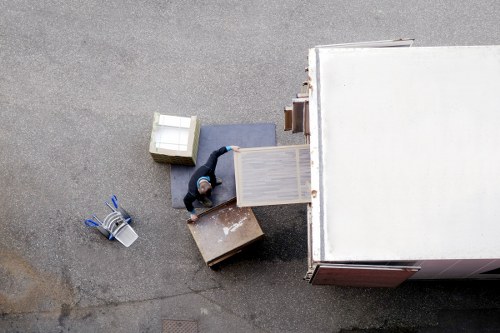
A clear quotation request saves time and helps make sure the response matches the real job. Include the collection and delivery postcodes or areas, the date you are aiming for, the main items to be moved and any services you want alongside transport. If you need dismantling, packing support or help with unusually heavy pieces, mention that as well. A short, practical summary is enough to begin with; it does not need to be polished.
When a move is more complex, it can help to mention anything that may affect the sequence of work. That might include limited parking, stairs, lift restrictions, shared access, narrow hallways or the need to move items in stages. If you are arranging a business relocation, note whether the job needs to be coordinated around opening hours or building access rules. This sort of detail helps the quotation reflect the true scope of the removal rather than a simplified version of it.
If you would like to talk through your move, use the service pages that fit best and then ask for a quotation in plain terms. For many customers, that is the quickest route to a sensible plan. Share the essentials, describe any access issues and ask for the quote that fits the job. From there, the next step is straightforward: compare the response, confirm the details and get the move arranged.


